
Cancer Treatment in Mumbai
Types of Cancer Treated At P53 Cancer Clinic
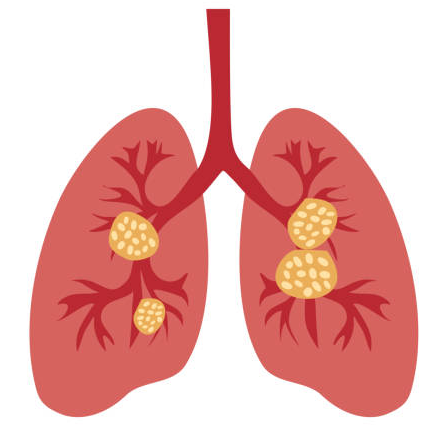
Lung cancer begins in the lungs and is often associated with smoking and exposure to harmful substances. It is known for its rapid growth and high potential for spreading to other body parts.
Lung Cancer
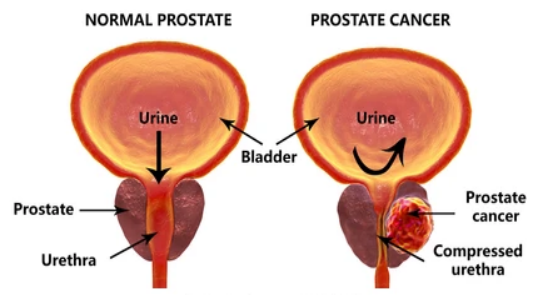
Prostate cancer develops in the prostate gland in men and often grows slowly. Early detection through screening is crucial for successful management and treatment.
Prostate Cancer
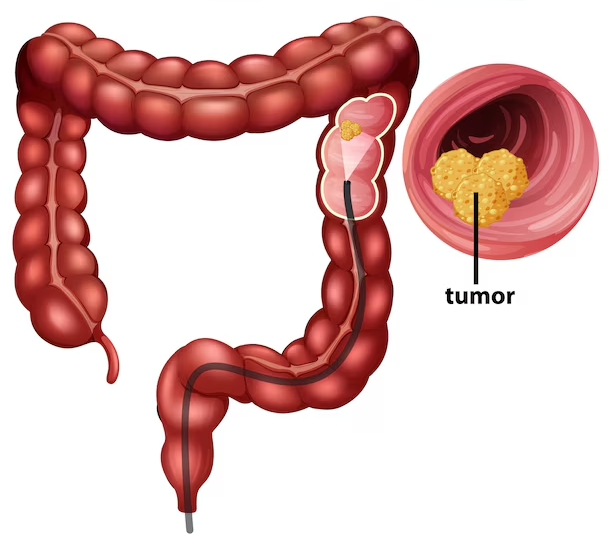
Colorectal cancer starts in the colon or rectum and can develop from polyps over time. Regular screenings, like colonoscopies, are vital for early detection and prevention.
Colorectal Cancer
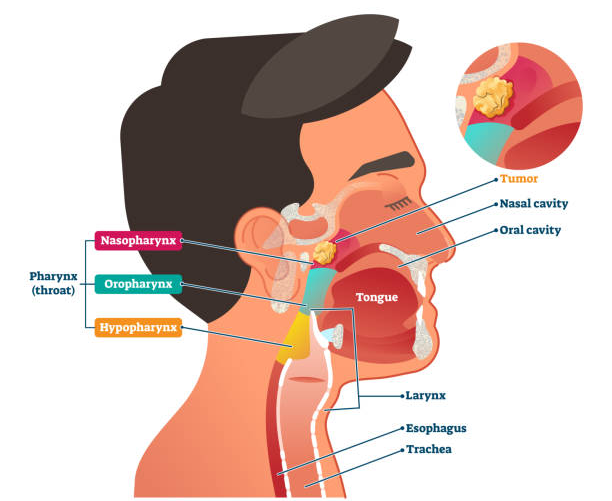
Head and neck cancers encompass a range of malignancies in areas such as the mouth, throat, and nose. These cancers can affect vital functions like breathing, speaking, and swallowing, making early diagnosis essential.
Head and Neck Cancer
Ovarian cancer originates in the ovaries. It is often detected at an advanced stage due to subtle symptoms like bloating, pelvic pain, and abdominal swelling. Hence, regular gynecological exams are essential for early detection.
Ovarian Cancer
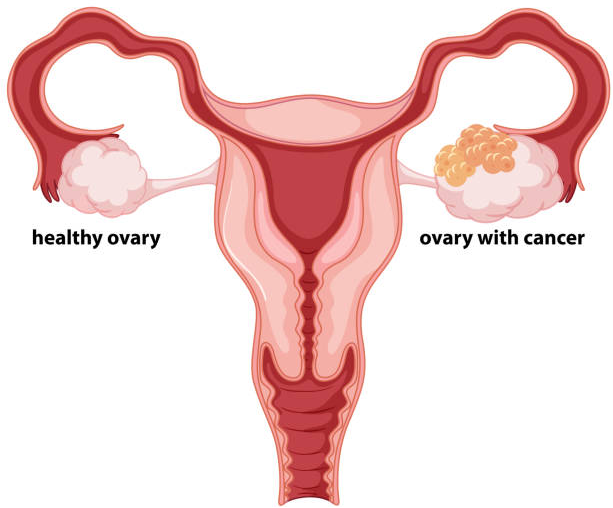
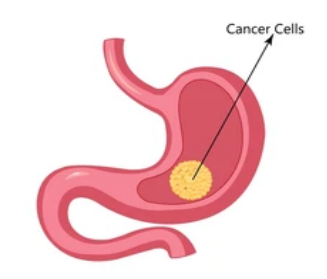
Stomach cancer, also known as gastric cancer, begins in the stomach lining and can spread to other organs. Symptoms may include indigestion, stomach pain, nausea, and weight loss, highlighting the need for early medical evaluation.
Stomach Cancer
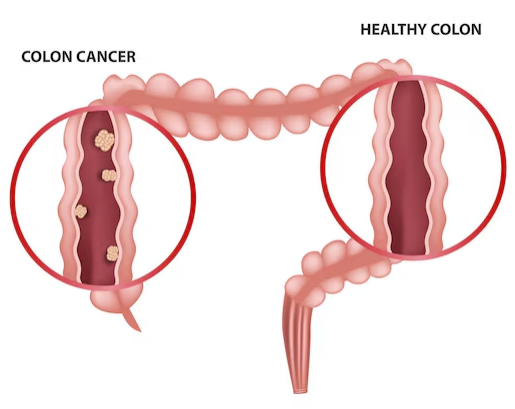
Colon cancer develops in the colon, part of the large intestine. It can cause symptoms like changes in bowel habits, blood in the stool, and persistent abdominal discomfort. Routine screenings are crucial for early detection and prevention.
Colon Cancer
Experience top-notch cancer care. Schedule your consultation with a competent oncologist now!
Different Types of Cancer Treatments We Provide
Surgery
Traditional Surgery:
- Tumor Resection: Removal of the tumor along with some surrounding healthy tissue to ensure complete extraction.
- Lymph Node Dissection: Removal of lymph nodes to check for cancer spread and reduce the risk of recurrence.
Minimally Invasive Techniques:
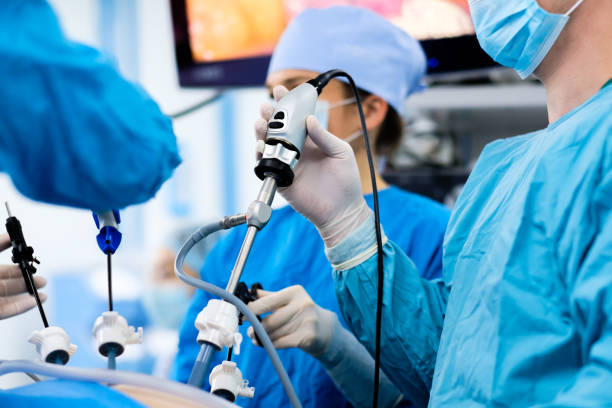
- Laparoscopic Surgery: A less invasive option involving small incisions and a camera to guide the surgery. This method results in shorter recovery times and reduced postoperative pain.
- Robotic-Assisted Surgery: Utilizing robotic systems to perform precise surgical procedures. This technique allows for greater accuracy and control, leading to better outcomes and quicker recovery.
- Laser Surgery: Employing concentrated light beams to remove or shrink tumors, particularly useful for delicate cancers and reducing bleeding during surgery.
Specialized Surgical Procedures:
- Breast-Conserving Surgery: Also known as lumpectomy, this procedure involves removing the cancerous part of the breast while preserving as much healthy tissue as possible.
- Mastectomy: Complete removal of one or both breasts to treat or prevent breast cancer.
- Prostatectomy: Surgical removal of the prostate gland, often using minimally invasive techniques for faster recovery.
- Colon Resection: Removal of part of the colon affected by cancer, followed by reconnection of the healthy sections.
- Head and Neck Surgery: Removal of tumors in the head and neck region, often using minimally invasive approaches to preserve function and appearance.
- Thyroidectomy: Surgical removal of the thyroid gland, typically for thyroid cancer, with options for partial or total removal, depending on the case.
Palliative Surgery:
- Debulking Surgery: Reducing the size of a tumor when complete removal is not possible, aimed at alleviating symptoms and improving quality of life.
- Stoma Creation: Forming an opening to allow waste to exit the body, often necessary for patients with colorectal cancer.
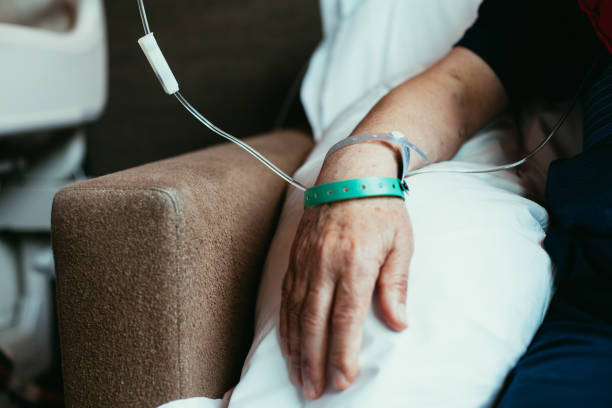
Chemotherapy
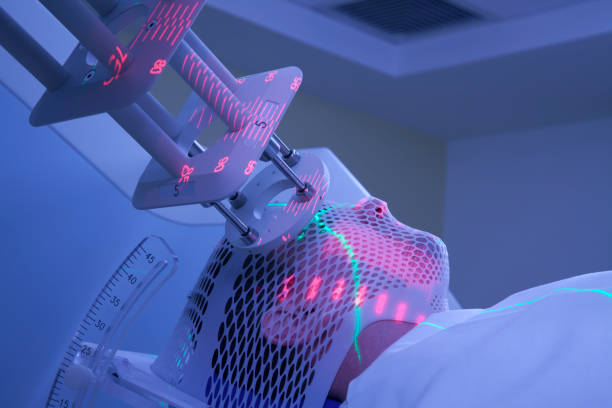
Radiation Therapy
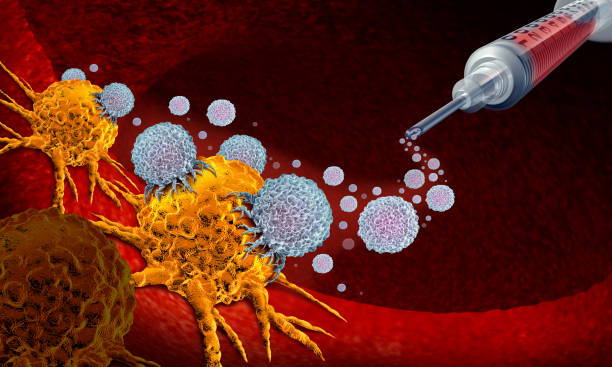
Immunotherapy
Targeted Therapy
Hormone Therapy
Our Procedure & Approach
- Comprehensive Evaluation: Detailed assessments and diagnostic tests to understand the cancer's specifics.
- Multidisciplinary Team: Collaboration among specialists to ensure holistic care.
- Customized Treatment Plans: Individualized treatments based on the patient's condition and preferences.
- Continuous Monitoring: Regular follow-ups to monitor progress and adjust treatments as needed.
- Support Services: Providing psychological, nutritional, and palliative support throughout the treatment journey.
More About Dr. Donald John Babu
Cancer Treatment Cost in Mumbai
Concerned about treatment costs? Book your appointment with a specialist for a detailed consultation.
Our Success Rates & Results
Why Choose Our Cancer Hospital In Mumbai?
Experienced Oncologist
Comprehensive Care
Advanced Surgical Techniques
State-of-the-Art Facilities
Patient-Centred Approach
Ready to experience top-tier cancer care? Make the right choice today. Book your appointment now!
Testimonials
"I was diagnosed with breast cancer, and my world turned upside down. Dr. Donald John Babu performed a lumpectomy; his skill and care were exceptional. The surgery went well, and my recovery was faster than expected. I am now cancer-free and forever grateful for his expertise and compassion."
- Kamal M."I underwent treatment for colon cancer from Dr. Donald. He provided detailed explanations of the procedures, which made me feel at ease. The laparoscopic surgery was successful. Thank you, Dr. Donald, for your professionalism and kindness."
- Nitin K."Dr. Donald John Babu guided me through every step of my breast cancer treatment, ensuring I felt supported and informed. The minimally invasive surgery he performed was a success, and my recovery was smooth. I highly recommend him to anyone seeking top-notch cancer treatment."
- Anita R.Frequently Asked Questions
Managing side effects may involve:
- Medications
- Lifestyle changes
- Dietary adjustments
- Support services like counselling or physical therapy
Some cancers can be prevented by:
- Avoiding risk factors like smoking
- Maintaining a healthy weight
- Getting vaccinated
- Regular screenings
Following lifestyle modifications can help lower cancer risk:
- Adopting a healthy diet
- Exercising regularly
- Limiting alcohol intake
- Avoiding tobacco
- Protecting against sun exposure
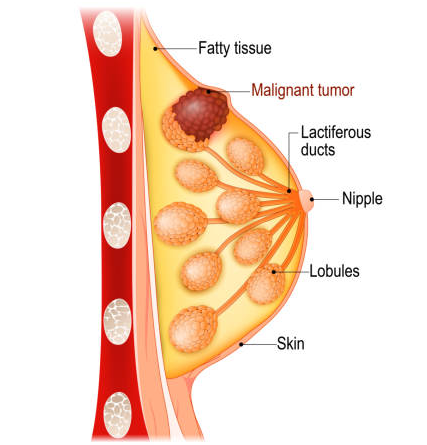
Breast cancer originates in the cells of the breast, typically in the ducts or lobules. It is one of the most common cancers in women and can also affect men. If not detected early, breast cancer can spread to nearby tissues. Early detection through mammograms and self-exams is essential for effective treatment and management.
Breast Cancer